
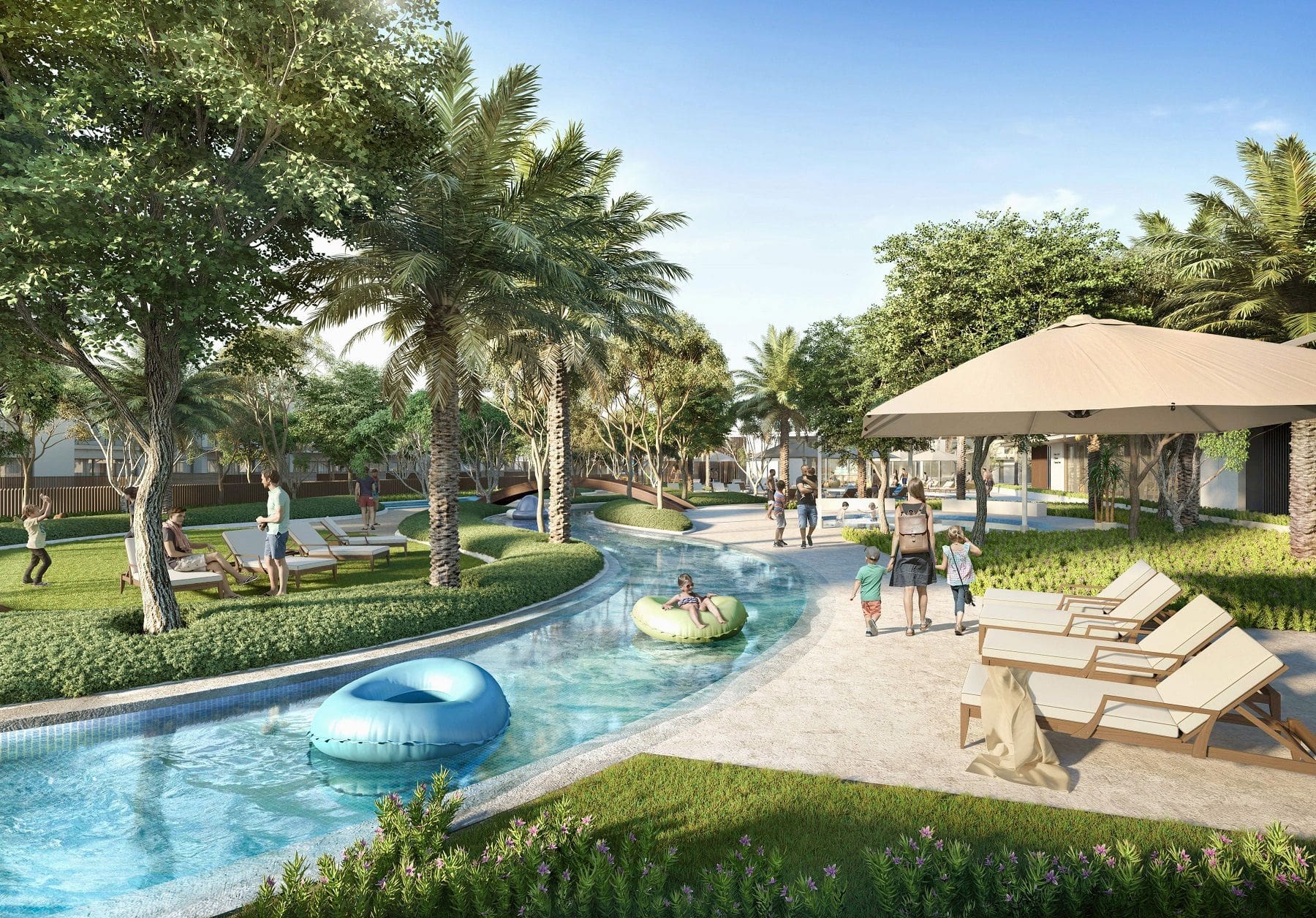
Dubai has become one of the world’s most appealing cities for family life. Alongside its skyline and international business environment, the emirate offers secure communities, reputable schools, advanced healthcare, landscaped parks and diverse residential properties.
Choosing the best areas to live in Dubai for families requires more than finding an attractive home. Parents should consider school journeys, workplace commutes, safety, property size, outdoor facilities, healthcare access and future development.
The strongest family-friendly communities in Dubai combine comfortable housing with education, recreation, mobility and essential services.
What Makes a Dubai Community Family-Friendly?
The best Dubai neighbourhoods for families support everyday routines and changing household needs. A suitable location should make it easier for parents and children to travel, study, shop, exercise and socialise.
Important factors include:
Safety and security
Gated entrances, organised roads, pedestrian routes and professional security help create a comfortable setting. These features are especially valuable for families with young children.
Schools and nurseries
Living in Dubai communities near schools can reduce travel time and simplify mornings. Parents should compare curricula, admission availability, transport and peak-hour traffic.
Parks and recreation
Playgrounds, cycling tracks, sports courts and landscaped spaces encourage active living. They also help neighbours build stronger social connections.
Property variety
Apartments may suit younger families, while townhouses and villas provide more bedrooms, privacy and outdoor space. Flexible housing choices support long-term family needs.
Healthcare and convenience
Nearby hospitals, clinics, pharmacies, supermarkets and retail outlets make daily life easier. Reliable road or public transport access is equally important.
Arabian Ranches: Established Suburban Living
Arabian Ranches is one of the best areas to live in Dubai for families seeking privacy, space and a peaceful suburban environment.
Spacious homes
Villas and townhouses usually offer multiple bedrooms, generous living areas and private gardens. They suit growing families that need room and privacy.
Secure surroundings
Controlled entrances, calm internal roads and organised residential clusters support a comfortable lifestyle. Children can enjoy outdoor spaces away from busy city traffic.
Family recreation
Parks, swimming pools, playgrounds and sports courts encourage active routines. Shared facilities also strengthen community interaction.
Everyday services
Schools, nurseries, supermarkets, restaurants and retail centres are available nearby. Families can manage many daily requirements within the wider community.
Dubai Hills Estate: Green and Connected
Dubai Hills Estate combines modern housing, extensive greenery and access to important districts. It is among the most balanced family-friendly communities in Dubai.
Property options
Apartments, townhouses and villas serve different household sizes and lifestyle preferences. Families can select compact convenience or larger private homes.
Outdoor lifestyle
Dubai Hills Park provides playgrounds, sports spaces, walking routes and open lawns. It acts as a central area for exercise and family gatherings.
Education and healthcare
Schools, nurseries, clinics and hospitals are available within or close to the development. Their proximity can simplify educational and medical routines.
Shopping and connectivity
Dubai Hills Mall offers shopping, dining and entertainment. Al Khail Road connects residents with Downtown Dubai, Business Bay and other employment hubs.
Emirates Living: Mature Green Communities
Emirates Living includes The Springs, The Meadows, The Lakes and Emirates Hills. These established neighbourhoods offer townhouses and villas for different family stages.
Flexible housing
The Springs suits smaller households, while The Meadows and The Lakes provide larger villas. Emirates Hills appeals to families seeking privacy and premium space.
Mature landscaping
Green streets, lakes, trees and walking routes create a calm residential atmosphere. Completed landscaping gives the area an established character.
Shared amenities
Pools, parks, playgrounds and sports facilities support active lifestyles. These spaces encourage neighbours to meet and build community relationships.
Completed infrastructure
Schools, supermarkets, retail centres and road links are already accessible. Families do not need to wait for major facilities to be delivered.
Jumeirah: Coastal Family Living
Jumeirah offers spacious homes, beach access and proximity to central Dubai. It suits families seeking a relaxed coastal lifestyle near commercial districts.
Beachside recreation
Public beaches and waterfront routes support swimming, walking and active weekends. The coastal setting adds leisure value to daily family life.
Generous properties
Independent villas, townhouses and selected apartments provide varied options. Many homes include spacious layouts and private outdoor areas.
Schools and healthcare
Established schools, nurseries, clinics and medical centres are available across the district. This supports convenient education and healthcare planning.
Central accessibility
Jumeirah connects with Downtown Dubai, Business Bay and Sheikh Zayed Road. Families can enjoy residential comfort while remaining near workplaces.
Traffic and property conditions vary between streets, so individual locations should be inspected carefully.
Jumeirah Village Circle: Flexible and Affordable
Jumeirah Village Circle, or JVC, is one of the more affordable family areas in Dubai. It offers apartments, townhouses and villas in a relatively central location.
Varied housing
Young households can choose apartments, while larger families may prefer townhouses or villas. The range supports different budgets and space requirements.
Parks and play areas
Parks, playgrounds and walking spaces are distributed across the neighbourhood. They provide convenient outdoor areas for children and parents.
Essential services
Schools, nurseries, supermarkets, pharmacies and local shops are accessible nearby. These services support practical daily living.
Retail and leisure
Circle Mall provides shopping, dining and entertainment within the community. Continuing development is expanding the neighbourhood’s lifestyle offering.
Families should compare buildings carefully because access, construction quality and facilities can differ between clusters.
Tilal Al Ghaf: Sustainable Resort-Style Living
Tilal Al Ghaf is a newer master community designed around wellness, sustainability and outdoor experiences. It appeals to families seeking modern properties and lifestyle-focused planning.
Contemporary homes
Villas and townhouses offer modern interiors, spacious layouts and family-focused designs. They support privacy and long-term residential comfort.
Lagoon recreation
Lagoon areas, parks, cycling routes and jogging trails promote active lifestyles. Families can enjoy leisure facilities without regularly leaving the community.
Walkable planning
Connected pedestrian routes encourage walking and cycling between neighbourhood amenities.
Sustainable features
Energy-conscious design and responsible landscaping reflect Dubai’s growing environmental priorities. These qualities may become more important to future residents.
Families should review completed facilities and construction activity before choosing a home in developing sections.
Al Furjan: Practical and Well Connected
Al Furjan offers apartments, townhouses and villas near Jebel Ali, Dubai Marina, Expo City Dubai and Dubai South. It suits households seeking practical housing and transport flexibility.
Property flexibility
Apartments provide compact convenience, while townhouses and villas offer more living space. The range accommodates young and growing families.
Transport access
Metro stations and major roads connect residents with employment and commercial zones. Public transport can reduce dependence on private vehicles.
Recreation facilities
Pools, sports areas, jogging routes and landscaped spaces encourage active routines. Community clubs add social and leisure opportunities.
Daily convenience
Schools, supermarkets, restaurants and shops are available in the wider area. Families can manage regular needs without lengthy journeys.
Al Furjan may gain further appeal as southern Dubai expands with new business and technology districts.
Jumeirah Village Triangle: Quiet and Family-Oriented
Jumeirah Village Triangle, or JVT, offers a calmer environment than many nearby high-density districts. Villas, townhouses and apartments are surrounded by green spaces and local services.
Spacious choices
Families can select villas, townhouses or newer apartments. These options balance privacy, space and community convenience.
Green surroundings
Landscaped parks, pedestrian routes and quieter roads create a relaxed setting. Families can walk, cycle and spend time outdoors.
Pet-friendly character
Open spaces and lower-density streets suit households with pets. The neighbourhood atmosphere is generally quieter than central urban districts.
Road connectivity
Sheikh Mohammed Bin Zayed Road and Al Khail Road support travel across Dubai. Residents can reach schools, workplaces and leisure destinations more easily.
Mirdif: Established and Affordable Living
Mirdif is one of the recognised safe residential areas in Dubai. It offers villas and apartments within a mature, community-focused neighbourhood.
Accessible housing
Mirdif can provide spacious homes at more approachable levels than some central districts. It remains a practical option for budget-conscious families.
Schools and amenities
Schools, nurseries, parks, supermarkets and shopping centres are distributed throughout the area. These facilities support convenient long-term living.
Airport and city access
Dubai International Airport, Dubai Festival City and Deira are within easy reach. The location suits residents working in eastern Dubai.
Mature community
Established streets, completed infrastructure and long-standing services provide stability. Families can move into an operational neighbourhood with everyday facilities.
Aircraft noise varies by location, so properties should be visited at different times.
DAMAC Hills: Gated Living and Recreation
DAMAC Hills combines apartments, townhouses and villas with landscaped areas, golf surroundings and extensive leisure facilities.
Different home types
Apartments suit smaller families, while townhouses and villas offer more bedrooms and outdoor space. The community serves varied household requirements.
Children’s amenities
Playgrounds, sports courts and parks provide safe spaces for exercise and socialising. These facilities encourage regular outdoor activity.
Leisure lifestyle
Golf views, landscaped surroundings and community recreation create a resort-inspired atmosphere. Families can access sports and relaxation near home.
Secure setting
Controlled access and planned residential clusters support privacy and safety. Retail outlets and essential services improve daily convenience.
Families working centrally should test peak-hour travel times before selecting a property.
How to Choose the Right Community
Selecting among the best areas to live in Dubai for families should begin with real daily routines. An attractive property may not be practical when schools, workplaces or healthcare facilities require long journeys.
Families should compare school distance, traffic, medical access, property layout, storage, outdoor space, public transport, community maintenance and nearby construction. They should also confirm whether promised parks, schools and retail facilities are already operational.
Long-term needs matter. A compact apartment may work today, but additional bedrooms, study areas and recreation spaces may become necessary as children grow. Choosing a flexible home can reduce the need for an early move.
The Future of Family Living in Dubai
Dubai’s residential communities are becoming more intelligent, sustainable and connected. Future neighbourhoods are likely to include smart access, electric-vehicle charging, digital community services and energy-efficient buildings.
Walkability will also gain importance. Families increasingly value shaded paths, cycling networks and essential services close to home. Water-efficient landscaping, renewable energy and climate-responsive design may influence future property decisions.
The future best areas to live in Dubai for families will offer more than housing. They will create complete neighbourhoods where residents can live, learn, work, exercise and socialise.
Conclusion
Dubai provides communities for many family lifestyles. Arabian Ranches and Emirates Living offer established suburban comfort, while Dubai Hills Estate combines greenery with central connectivity. Jumeirah provides coastal convenience, and JVC, Mirdif and Al Furjan deliver practical housing choices.
Tilal Al Ghaf represents sustainable resort-style planning, while JVT and DAMAC Hills appeal to families seeking quieter surroundings and recreation.
The right neighbourhood depends on schools, workplaces, property needs and long-term goals. By comparing safety, education, healthcare, amenities, connectivity and development, families can identify the best areas to live in Dubai for families and create a comfortable, connected and future-ready lifestyle.