
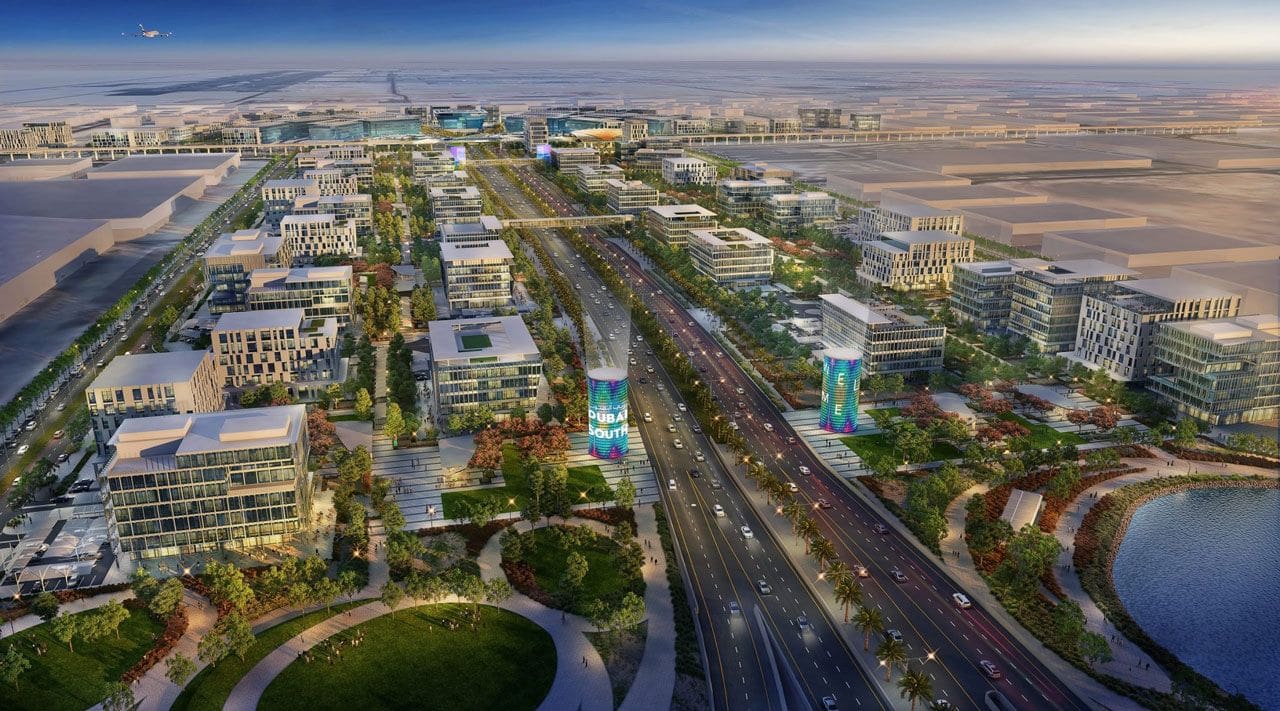
Dubai has become a leading commercial destination, attracting startups, multinational companies, retailers, logistics operators, manufacturers and professional service providers. Its infrastructure, location and business environment support demand for commercial property for rent in Dubai.
The city offers offices, retail units, warehouses, serviced workspaces, commercial villas, showrooms and complete buildings. Selecting the right premises requires more than comparing rent and floor area. Businesses must also evaluate licence compatibility, accessibility, fit-out condition, operational facilities, customer visibility, employee convenience, future expansion potential and evolving operational needs effectively.
As Dubai develops a smarter, greener economy, commercial properties are becoming increasingly connected, adaptable and efficient. This guide explains the property types, locations, leasing requirements, costs and trends shaping Dubai’s commercial rental market.
Why Businesses Rent Commercial Property in Dubai
Dubai provides access to regional and international markets. Its airports, seaports, highways and logistics corridors support companies involved in finance, tourism, technology, trade, retail, manufacturing, e-commerce and professional services.
Businesses can choose mainland or free-zone premises. Mainland properties allow wider commercial operations across Dubai and the UAE, depending on licensing requirements. Free-zone properties provide specialised business ecosystems for industries such as finance, commodities, aviation, media, technology and logistics.
The major advantages include:
• Access to a globally connected commercial market
• Modern business and industrial infrastructure
• Mainland and free-zone leasing options
• Flexible unit sizes and property configurations
• Strong connectivity through roads, ports and airports
• Advanced telecommunications and digital services
• Increasing availability of sustainable buildings
• Opportunities for long-term business expansion
Demand for Dubai commercial rental properties is supported by population growth, investment and emerging business districts.
Office Space for Rent Dubai
Businesses searching for office space for rent Dubai can choose from private offices, executive suites, serviced workplaces, coworking areas, full floors and regional headquarters.
Fitted offices suit companies that want to begin operations quickly. These spaces may already include completed flooring, ceilings, lighting, partitions, meeting rooms, reception areas and pantry facilities.
Furnished offices may provide desks, chairs, conference tables, storage units and reception furniture. Shell-and-core offices provide greater design freedom, allowing companies to create layouts based on branding, team structures and technology needs.
Important office features include:
• Metro and public transport access
• Dedicated and visitor parking
• Reception and waiting areas
• Meeting and conference rooms
• High-speed internet infrastructure
• Reliable air-conditioning systems
• Security and controlled access
• Pantry and washroom facilities
• Building maintenance services
• Nearby restaurants, banks and hotels
Business Bay serves consultancies, property companies, marketing agencies and corporate firms. Dubai International Financial Centre attracts financial, legal and professional organisations. Jumeirah Lake Towers offers flexible options within the DMCC environment, while Sheikh Zayed Road and Dubai Silicon Oasis provide further choices.
Retail Shops for Rent Dubai
Businesses searching for retail shops for rent Dubai should evaluate visibility, customer traffic, surrounding communities and transport access. A well-positioned unit can improve visibility and walk-in sales.
Dubai offers retail spaces in shopping centres, mixed-use towers, residential communities, business districts and street-facing locations. Ground-floor units with wide windows, signage and parking suit customer-focused businesses.
A strong retail property may provide:
• Wide glass frontage
• Main-road or street visibility
• High pedestrian traffic
• Customer and visitor parking
• Delivery and loading access
• Internal storage areas
• Signage and branding opportunities
• Proximity to residential communities
• Public transport accessibility
• Suitable ventilation and utility systems
Restaurants and cafés may require ventilation, drainage and food-safety approvals. Clinics, salons, nurseries, pharmacies and fitness centres may need additional permissions from building management and relevant authorities.
Before signing, tenants should confirm opening hours, fit-out guidelines, signage, waste management and activity approval.
Commercial Warehouses in Dubai
Demand for commercial warehouses in Dubai is driven by logistics, e-commerce, retail distribution, manufacturing, automotive services and international trade.
Dubai’s ports, airports and highways support efficient goods movement. Warehouse specifications vary significantly. Some units support general storage, while others include production areas, mezzanine floors, offices, showrooms or private yards.
Important warehouse attributes include:
• Clear ceiling height
• Total built-up and storage area
• Loading and unloading facilities
• Roller shutter dimensions
• Truck and container access
• Mezzanine or office space
• Three-phase power supply
• Heavy-duty flooring
• Fire-safety systems
• Ventilation and temperature control
• Private yard or open storage
• Civil Defence compliance
Industrial companies may need drainage, higher power capacity or specialised approvals.
Al Quoz provides centrally located warehouses and workshops. Jebel Ali, Dubai Investment Park and Dubai Industrial City offer larger industrial facilities. Dubai South supports logistics, aviation and e-commerce companies because of its connection to Al Maktoum International Airport and major freight routes.
Business Centres for Rent Dubai
Business centres for rent Dubai provide convenient solutions for startups, consultants, freelancers and international companies entering the UAE market.
These centres offer ready-to-use offices with shared services, reducing setup time and operational complexity.
Common facilities include:
• Fully furnished private offices
• Reception and mail-handling services
• Meeting and conference rooms
• High-speed internet
• Administrative support
• Printing and scanning facilities
• Cleaning and maintenance
• Professional business addresses
• Flexible lease periods
• Company formation assistance
Coworking spaces combine shared desks, private cabins, business lounges and meeting rooms. They suit hybrid teams and companies without a large permanent office.
Leading Commercial Areas in Dubai
Dubai commercial districts serve different industries, licence structures and operational requirements.
Business Bay
Business Bay offers fitted offices, serviced workplaces, retail units and business centres near Downtown Dubai. Its road connectivity and central location attract consultants, technology firms, property companies and international businesses.
Dubai International Financial Centre
DIFC is a premium commercial district serving banks, investment companies, law firms, insurers and multinational organisations. It offers Grade A offices, business centres, retail outlets and executive corporate facilities.
Jumeirah Lake Towers
JLT provides Metro-connected commercial spaces within a mixed-use community. It is closely associated with DMCC and serves trading, commodities, technology and professional firms.
Al Quoz
Al Quoz is known for warehouses, workshops, showrooms, studios and industrial spaces. Its central position supports logistics companies, creative businesses, automotive services and light manufacturing operations.
Jebel Ali and Dubai South
Jebel Ali supports import, export, manufacturing and distribution through its port and industrial infrastructure. Dubai South provides logistics facilities, aviation premises, offices and warehouses near Al Maktoum International Airport.
Fitted, Furnished or Shell-and-Core Property
Property condition affects the setup budget and the time required to begin operations.
A fitted property generally includes flooring, ceilings, lighting, air conditioning and partitions. It suits businesses seeking faster occupancy.
A furnished property may also include desks, chairs, meeting-room equipment and reception furniture, reducing initial setup requirements.
A shell-and-core property has an unfinished interior. It offers greater design control but requires fit-out planning, authority approvals, contractors and additional investment.
Before selecting a property, businesses should inspect:
• Electrical and data infrastructure
• Air-conditioning systems
• Fire-safety equipment
• Plumbing and drainage
• Existing partitions
• Flooring and ceiling condition
• Furniture and equipment
• Fit-out approval requirements
Commercial Leasing Costs
Annual rent is only one part of the total cost of occupying commercial property. Businesses should prepare a complete budget before signing an agreement.
Additional expenses may include:
• Security deposit
• Real estate agency commission
• Building service charges
• Electricity and water
• District cooling
• Internet and telecommunications
• Parking fees
• Fit-out expenses
• Signage permits
• Move-in charges
• Maintenance costs
The tenancy agreement should state who is responsible for maintenance, air-conditioning repairs, utility connections and service charges.
Businesses should also review the number of rental cheques, renewal terms, rent-free periods, early termination clauses and restoration obligations. Some landlords require the tenant to return the unit to its original condition when the lease ends.
Trade Licence and Property Compatibility
A business must confirm that the selected premises support its licensed activity. A standard office may not be suitable for retail, manufacturing, medical, educational or food-related operations.
Companies should verify:
• The correct mainland or free-zone jurisdiction
• Compatibility with the trade licence
• Building approval for the intended activity
• Requirements from external authorities
• Permission for signage and modifications
• Eligibility to register the company address
• Operating-hour or access restrictions
Restaurants may require food-safety, ventilation and drainage approval. Clinics require healthcare-related permissions. Warehouses and factories may need municipality, environmental or Civil Defence approvals.
Ejari and Required Documents
Ejari creates an official record of the commercial tenancy and includes information about the landlord, tenant, property, rental amount and lease period.
Commercial tenants may need:
• Passport and Emirates ID copies
• UAE residency documents
• Valid trade licence
• Company incorporation documents
• Authorised signatory documents
• Signed tenancy agreement
• Property title deed copy
• Security deposit
• Post-dated rental cheques
After leasing, businesses may also need utility connections, building access cards, fit-out permits, signage approvals and move-in authorisation.
How to Choose the Right Commercial Property
The best commercial property for rent in Dubai should support immediate needs and future growth.
Businesses should assess:
• Preferred business jurisdiction
• Permitted commercial activity
• Employee and customer accessibility
• Required floor area
• Parking requirements
• Fit-out condition
• Total occupancy cost
• Operational infrastructure
• Lease flexibility
• Expansion potential
Office tenants may prioritise Metro access and employee convenience. Retail tenants should focus on footfall, visibility and customer parking. Warehouse users need to evaluate loading access, ceiling height, electricity capacity and transport connectivity.
A professional inspection and lease review can reveal hidden costs and support stronger negotiations. Businesses should also visit shortlisted properties at different times to assess traffic, parking, delivery access and building activity.
Sustainability and Smart Commercial Buildings
Sustainability is becoming an important factor in commercial property decisions. Energy-efficient buildings can help companies control operating costs while supporting environmental commitments.
Modern properties may include:
• Energy-efficient lighting
• Smart cooling systems
• Water-saving fixtures
• Automated access control
• Digital visitor management
• Electric-vehicle charging
• Recycling facilities
• Energy monitoring systems
• Flexible floor layouts
• Smart building management
Companies increasingly evaluate indoor air quality, natural light and energy consumption. Warehouses are also adopting solar power, automated lighting and intelligent monitoring systems.
The Future of Dubai Commercial Rental Properties
The future of Dubai commercial rental properties will be shaped by flexible leasing, sustainability and digital technology.
Hybrid working will increase demand for managed offices, coworking spaces and adaptable business centres. Businesses may require fewer fixed desks but more collaboration rooms, private meeting areas and technology-enabled spaces.
Warehouses will become more advanced through robotics, automated inventory systems, smart logistics platforms and electric delivery fleets. Properties with strong power capacity and flexible layouts may become more valuable.
Retail units will increasingly combine physical customer experiences with digital ordering, collection points and local fulfilment services.
Conclusion
Renting commercial property in Dubai gives businesses access to a globally connected market supported by modern infrastructure and a wide selection of premises.
Companies can choose offices, shops, warehouses, business centres, commercial villas, showrooms and entire buildings. The right decision depends on location, fit-out condition, permitted activity, accessibility, operational needs and total cost.
Businesses should verify licence compatibility, review the agreement, inspect the property and calculate all setup expenses before committing.
As Dubai adopts smart infrastructure, sustainable development and flexible working models, demand for future-ready commercial space will continue to grow. A carefully selected commercial property for rent in Dubai can become a strong foundation for productivity, visibility, customer growth and long-term expansion.