
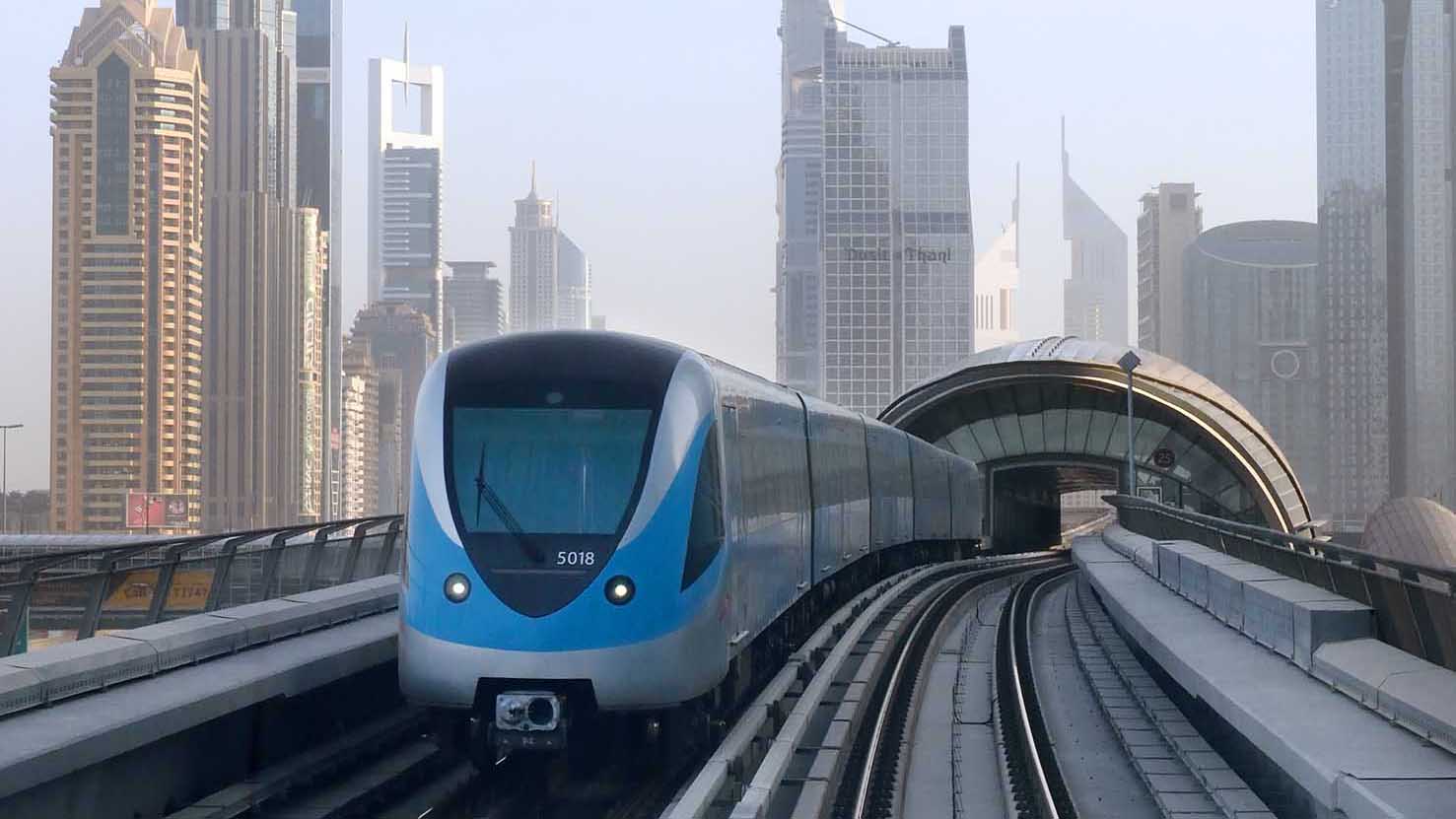
The Dubai Metro Blue Line property impact is expected to be one of the most significant real estate transformation drivers in Dubai’s next development cycle. As a major infrastructure expansion project connecting key residential, commercial, and emerging districts, the Blue Line will reshape property demand, pricing behavior, and long-term investment patterns across the city.
This development is not just a transport upgrade; it is a real estate value accelerator that directly influences how investors, developers, and end-users evaluate property locations in Dubai.
Understanding the Dubai Metro Blue Line Transformation
The Dubai Metro Blue Line is a large-scale infrastructure project designed to enhance connectivity across growing residential corridors. With multiple stations linking established and emerging communities, it creates a strong foundation for metro-connected urban growth.
This line will significantly reduce travel time between key districts while improving accessibility to business hubs, education zones, and waterfront communities.
Key infrastructure highlights of the Blue Line:
- 30 km extended metro corridor across major Dubai zones
- 14 strategically placed stations across high-growth districts
- Integration with Red Line and Green Line networks
- Designed under Dubai’s long-term urban expansion plan
- Expected operational timeline around 2029
These developments form the backbone of the Dubai Metro Blue Line property impact, driving long-term value appreciation.
How Metro Connectivity Changes Property Value in Dubai
Transport infrastructure has always been a major driver of real estate value in global cities. In Dubai, metro expansion has historically resulted in noticeable property price adjustments within connected zones.
The Blue Line is expected to create a similar, but even stronger, effect due to the scale of new development corridors it touches.
Main ways property values are impacted:
To understand the real estate shift, we need to look at how metro connectivity influences buyer behavior and pricing trends.
- Increased demand for properties near metro stations
Properties located within walking distance of stations tend to experience stronger buyer interest and faster sales cycles. - Higher rental demand from working professionals and students
Areas connected to metro lines attract tenants who prioritize commute convenience and accessibility. - Long-term capital appreciation in connected zones
Infrastructure-driven developments typically lead to sustained property value growth over time. - Reduced dependence on private transport
This increases attractiveness of metro-linked communities, especially for younger residents.
Real Estate Growth Near Blue Line Stations Dubai
The real estate growth near Blue Line stations Dubai will be concentrated around specific high-potential communities. These areas will evolve into investment hotspots due to improved accessibility and rising demand.
Station proximity plays a critical role in determining price appreciation and rental yield performance.
Key growth zones include:
- Dubai Creek Harbour
A waterfront mega-development expected to become a premium metro-linked destination with strong capital growth potential. - International City
An affordable housing hub likely to benefit from improved connectivity and rising rental demand. - Dubai Silicon Oasis
A technology and residential zone expected to attract professionals and long-term tenants. - Academic City
A student-driven rental market that will see increased occupancy and demand stability.
These zones will experience stronger Dubai Metro Blue Line property price impact due to proximity to stations and improved connectivity.
Investment Opportunities Along Dubai Metro Expansion
The Blue Line creates a new cycle of investment opportunities across both off-plan and ready property segments. Investors who enter early typically benefit from infrastructure-led appreciation before full operational launch.
This makes the corridor highly attractive for long-term capital growth strategies.
Key investment opportunities include:
- Off-plan developments near metro stations
Early-stage pricing allows investors to enter before major price appreciation occurs. - Mid-market residential apartments
Strong rental demand expected in affordable and commuter-friendly communities. - Waterfront developments near Creek areas
Premium properties with high appreciation potential due to lifestyle and connectivity. - Mixed-use developments in growth corridors
Ideal for investors targeting both rental income and capital growth.
These opportunities form the core of investment opportunities along Dubai Metro expansion strategies.
Property Value Increase in Metro-Connected Areas Dubai
Historically, properties located near metro infrastructure experience measurable appreciation over time. The Blue Line will reinforce this trend across new and existing districts.
The impact is strongest in areas that previously lacked direct metro connectivity.
Expected value drivers include:
Before listing key drivers, it is important to understand that value growth is not uniform and depends on station proximity, developer quality, and demand strength.
- Station proximity premium effect
Properties closer to stations typically command higher prices and stronger resale demand. - Improved neighborhood accessibility
Better connectivity increases overall livability and buyer interest. - Higher tenant retention rates
Tenants prefer stable, well-connected communities, reducing vacancy risks. - Increased investor competition
More buyers enter the market when infrastructure projects are announced.
These factors contribute directly to property value increase in metro-connected areas Dubai.
Off-Plan Developments Near Dubai Blue Line Route
One of the strongest investment segments linked to the Blue Line is off-plan property development. Developers often price projects based on future infrastructure benefits, creating early-stage investment opportunities.
The Blue Line corridor is expected to see a surge in new residential launches before completion.
Key characteristics of off-plan opportunities:
- Lower entry prices compared to completed units
- Flexible payment plans during construction phase
- High potential for capital appreciation before handover
- Strong resale demand before project completion
- Developer-driven marketing around metro connectivity
These dynamics strongly support off-plan developments near Dubai Blue Line route as a high-interest investment category.
Long-Term Dubai Metro Blue Line Property Impact
The long-term effect of the Blue Line goes beyond simple price appreciation. It reshapes how entire districts function, evolve, and attract residents.
This transformation aligns with Dubai’s broader vision of a connected, sustainable, and decentralized urban structure.
Long-term impacts include:
- Formation of new investment corridors
- Redistribution of population across connected districts
- Increased demand for affordable and mid-income housing
- Strengthening of rental market stability
- Expansion of transit-oriented developments (TODs)
Over time, the Dubai Metro Blue Line property impact will define new real estate hotspots and reshape investment maps across Dubai.
Conclusion
The Dubai Metro Blue Line is not just an infrastructure project—it is a strategic real estate catalyst that will reshape property pricing, demand cycles, and investment behavior across multiple districts in Dubai.
From affordable rental zones to premium waterfront developments, every connected area will experience measurable change in accessibility, value perception, and investor interest.
For investors and end-users, the early phase of this transformation presents one of the most important opportunities in Dubai’s upcoming property cycle.