
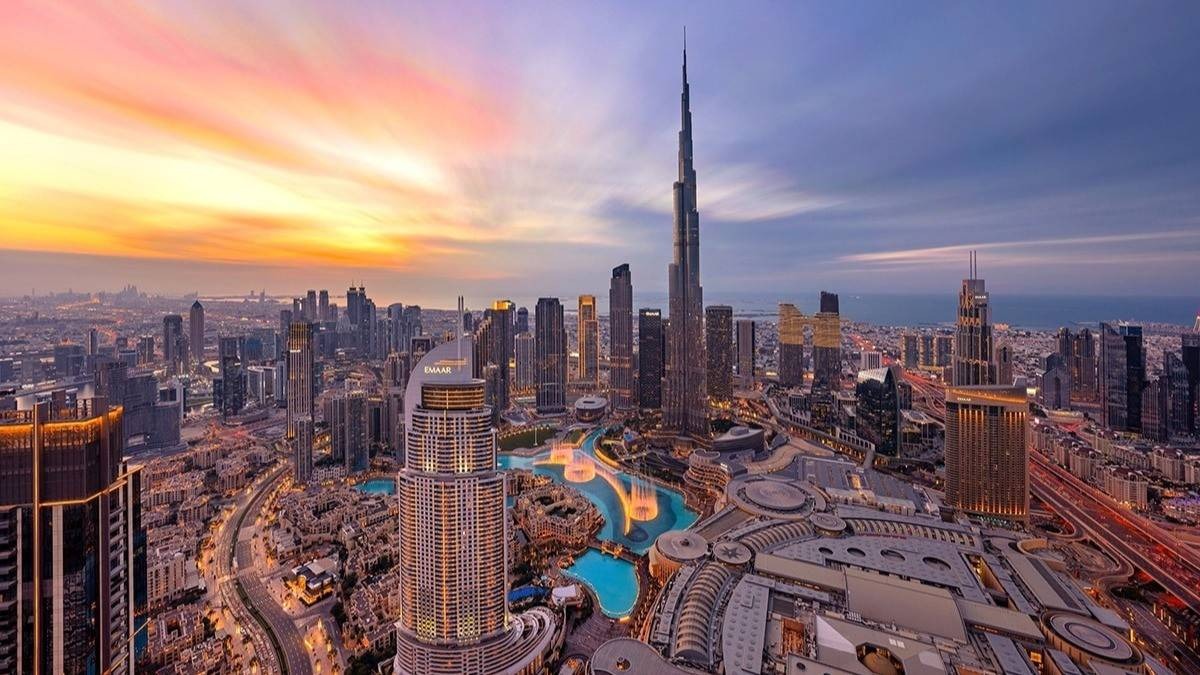
The Dubai property market 2026 is entering a more mature and selective stage after several years of exceptional growth. Strong transaction activity, international investment, population expansion and infrastructure development continue to support the market. However, buyers are becoming more careful about property quality, location, developer reputation and future supply.
Rather than experiencing the same level of rapid price appreciation across every community, Dubai is developing into a segmented market. Well-located properties with strong rental demand may continue to perform positively, while areas with considerable upcoming supply could experience slower growth or selective price adjustments.
For buyers and investors, understanding the latest Dubai real estate trends 2026 is essential for identifying opportunities and managing investment risk.
Understanding the Dubai Property Market 2026
Dubai’s real estate sector maintained strong momentum during the first quarter of 2026. According to the Dubai Land Department, the total value of real estate transactions reached AED 252 billion, representing a 31% year-on-year increase. The quarter recorded 60,303 transactions, while real estate investments reached AED 173 billion across 57,744 investment transactions.
Residential sales also remained active. Market research covering the first quarter recorded residential sales worth AED 143.1 billion across 44,743 transactions. Sales value increased by 22.2% compared with the same period in 2025, while transaction volume increased by 4.6%.
These figures indicate that the Dubai property market 2026 remains active, although market conditions are becoming more balanced. Buyers are no longer depending only on general market momentum. They are evaluating individual projects based on construction quality, payment structure, community development and resale potential.
Major Dubai Real Estate Trends 2026
Several important trends are defining the direction of Dubai’s residential market.
More Selective Buyer Behaviour
Buyers are comparing projects more carefully before making a decision. Properties from established developers, projects in well-connected communities and homes with practical layouts are likely to attract stronger demand.
This increased selectivity may encourage developers and sellers to offer better-quality products, realistic valuations and more attractive purchasing terms.
Greater Focus on Completed Communities
Established communities with schools, healthcare facilities, retail outlets, transport connections and recreational amenities continue to attract families and tenants.
Completed infrastructure reduces uncertainty because buyers can evaluate the actual lifestyle, rental demand and accessibility of the neighbourhood before investing.
Continued Demand for Off-Plan Property
Off-plan developments remain an important part of the market, particularly among investors seeking flexible payment plans and potential capital appreciation.
However, buyers are increasingly examining developer history, escrow protection, construction progress, expected completion dates and the future supply pipeline before committing to a project.
Strong Interest in Luxury Real Estate
Dubai’s luxury segment continues to attract high-net-worth individuals, entrepreneurs and international investors. Dubai Land Department data shows that luxury real estate investments reached AED 87.71 billion during the first quarter of 2026, increasing by 26% year on year.
Waterfront residences, branded developments, limited-edition villas and properties in established premium locations may remain resilient because of their scarcity and international appeal.
Dubai Property Prices 2026: Growth or Correction?
One of the most important questions for buyers is whether Dubai property prices 2026 will continue rising or begin to decline.
Property Monitor’s Dynamic Price Index increased from 207.26 in January 2025 to a peak of 235.03 in October 2025. It later moderated to 231.51 by May 2026. This movement suggests that the market has entered a period of short-term cooling and stabilisation rather than a widespread price collapse.
It is important to distinguish between three different market conditions:
- Price moderation: Property values continue growing, but at a slower rate than in previous years. This is common after an extended period of rapid appreciation.
- Market correction: Certain projects or communities experience price adjustments because supply exceeds demand or properties were initially priced too aggressively.
- Market crash: Property values decline significantly across most locations and asset categories for a sustained period.
Current evidence points towards a more balanced and segmented market. Some properties may experience corrections, but this does not mean every part of Dubai will follow the same direction.
Factors Supporting Dubai Property Prices in 2026
Population Expansion
Dubai’s growing population creates continuous demand for both rental and owner-occupied housing. The Dubai 2040 Urban Master Plan forecasts that the emirate’s residential population could reach approximately 5.8 million by 2040.
Population growth supports apartments, villas and townhouses across different price categories. Communities close to employment centres, schools, business districts and transportation networks may benefit particularly strongly.
Economic Growth
The Central Bank of the UAE projects real GDP growth of approximately 5.6% in 2026. The outlook is supported by financial services, manufacturing, construction and other non-hydrocarbon sectors, alongside growth in hydrocarbon production.
Economic expansion can create employment, attract businesses and strengthen household confidence. These factors contribute to long-term residential and commercial property demand.
Foreign Investment
International buyers remain a major part of Dubai’s property market. Foreign real estate investment reached AED 148.35 billion during the first quarter of 2026, representing a 26% year-on-year increase.
Dubai’s freehold ownership structure, international connectivity, residency opportunities and broad selection of properties continue to attract investors from different regions.
Competitive Rental Returns
Average gross rental yields were reported at approximately 6.68% in May 2026. While actual returns vary according to location, property size, service charges and occupancy, rental income remains a significant attraction for investors.
As capital appreciation becomes more measured, rental yield and tenant demand may become even more important when evaluating an investment.
Performance of Different Property Types
The Dubai property market 2026 should not be evaluated as a single market. Apartments, villas and townhouses respond differently to supply and demand.
Apartments
Apartments may remain attractive to professionals, couples, first-time buyers and investors seeking rental income. Demand is often strongest in communities with access to employment districts, public transport and lifestyle facilities.
Investors should compare service charges, achievable rent, unit layout, building management and future competing supply.
Villas and Townhouses
Family-oriented villas and townhouses may benefit from demand for larger living spaces, private outdoor areas and community facilities.
Established villa communities with limited land and restricted future supply can demonstrate stronger price resilience than locations where many similar homes are scheduled for delivery.
Prime and Branded Residences
Prime properties may continue attracting international wealth, particularly when the development offers a prestigious location, limited inventory, exceptional views or recognised hospitality branding.
However, buyers should still assess whether the premium price is supported by genuine scarcity, quality and resale demand.
Areas to Watch in the Dubai Property Market 2026
Dubai contains both mature neighbourhoods and developing investment corridors. Rather than choosing an area only because it is popular, investors should study its purpose, tenant profile and supply pipeline.
Established locations such as Downtown Dubai, Dubai Marina, Business Bay and Palm Jumeirah offer mature infrastructure and recognised addresses. Communities such as Dubai Hills Estate and Jumeirah Village Circle attract families and tenants seeking integrated residential environments.
Developing destinations such as Dubai Creek Harbour, Mohammed Bin Rashid City and Dubai South may provide long-term opportunities connected to infrastructure expansion and new master-planned development. However, their performance will depend on delivery schedules, accessibility, community completion and the amount of competing inventory.
Legacy Elite Real Estate can help buyers compare these communities according to budget, rental objectives, preferred property type and investment timeframe.
Risks Buyers and Investors Should Consider
Although the outlook remains positive, every property investment carries risk.
- Upcoming supply: Large numbers of new completions can increase competition between landlords and sellers, particularly when projects offer similar units.
- Interest-rate movements: Financing costs affect mortgage affordability, buyer demand and monthly ownership expenses.
- Project completion risk: Off-plan buyers should examine the developer’s delivery record, construction progress and regulatory compliance.
- Service charges: High recurring charges can reduce net rental income even when the advertised gross yield appears attractive.
- Short investment periods: Buyers planning to resell quickly may be more exposed to transaction costs and temporary market fluctuations.
Working with Legacy Elite Real Estate allows investors to evaluate these risks before choosing between ready, off-plan, affordable and luxury properties.
Is 2026 a Good Time to Buy Dubai Property?
The answer depends on the buyer’s financial position and objectives. The Dubai real estate trends 2026 favour a research-led approach rather than speculative purchasing.
Long-term investors should prioritise sustainable rental demand, strong community infrastructure and realistic purchase prices. End users should focus on lifestyle suitability, monthly affordability and future family requirements.
Investors may consider:
- Selecting communities with identifiable tenant demand.
- Comparing gross rental yield with net return after expenses.
- Reviewing upcoming projects that could compete with the property.
- Choosing developers with proven completion histories.
- Maintaining a medium- to long-term investment horizon.
- Conducting legal and financial due diligence before signing.
Legacy Elite Real Estate provides market guidance for buyers seeking properties aligned with their long-term plans rather than short-lived market speculation.
Conclusion
The Dubai property market 2026 remains active, globally connected and supported by strong economic and demographic fundamentals. Transaction values, investment activity and foreign buyer participation continued growing during the first quarter of the year. At the same time, price momentum has moderated, creating a more selective environment.
The outlook is not identical for every community or property type. Location, quality, future supply, rental demand and developer reputation will increasingly determine performance. While selective price corrections are possible, current evidence suggests market stabilisation rather than a broad Dubai property crash.