
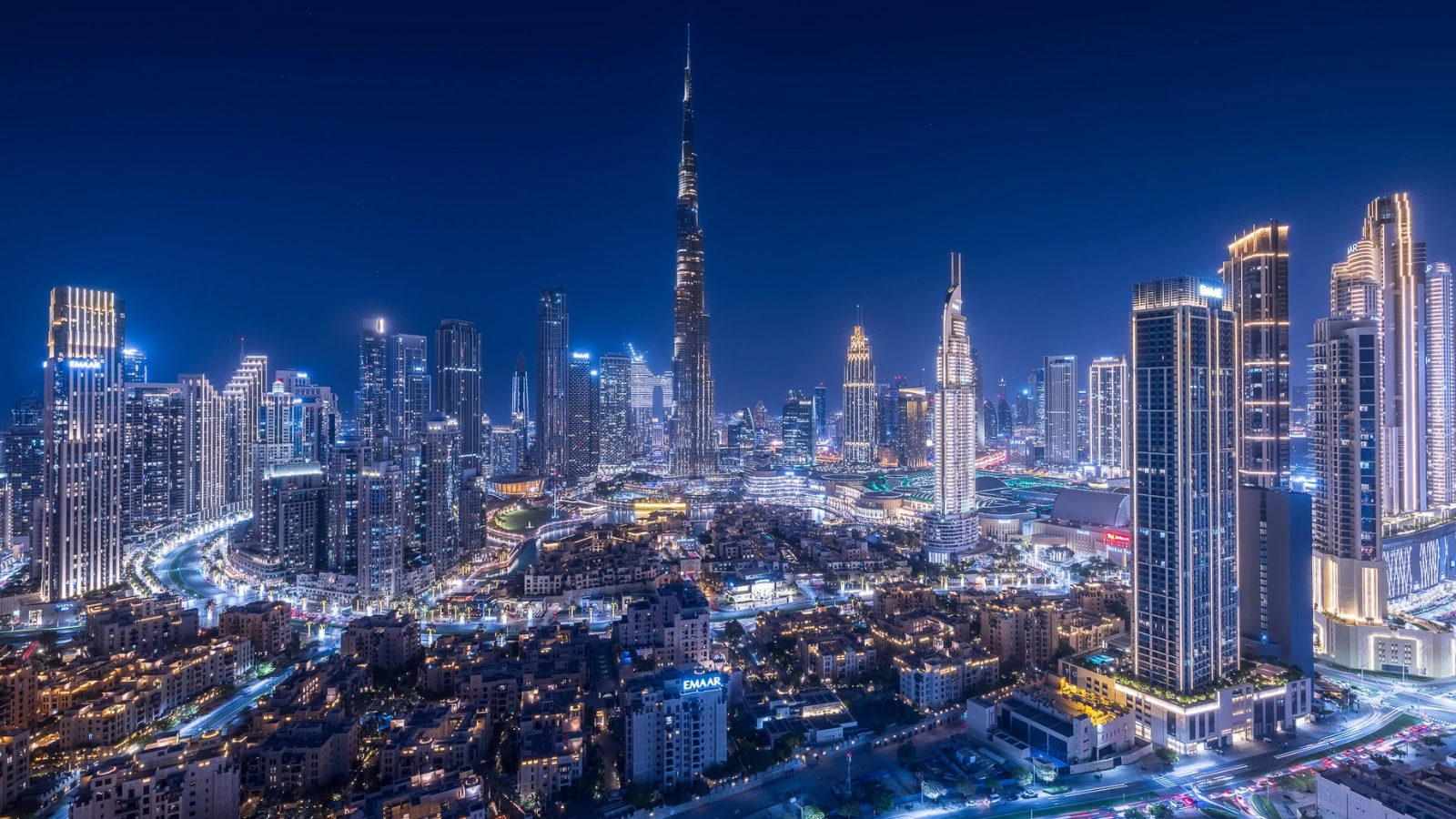
The Dubai real estate market has consistently been a magnet for investors, end-users, and developers alike, thanks to its dynamic growth, regulatory stability, and strategic location. With Dubai’s rapid urbanization and the rise of world-class residential and commercial projects, understanding the market has become crucial for investors seeking high returns. In this article, we explore the Dubai property trends, investment opportunities, regulatory framework, and forecast for 2026.
Overview of the Dubai Real Estate Market
Dubai’s real estate landscape comprises residential and commercial properties, off-plan projects, and luxury developments. Residential options range from apartments, villas, townhouses, and penthouses to high-end branded properties in premium communities. Commercial properties include office spaces, retail units, and mixed-use developments, catering to businesses and investors seeking high-yield locations.
The Dubai housing market analysis reveals strong demand in both freehold and leasehold areas, driven by foreign investments, population growth, and economic diversification initiatives. Developers like Emaar Properties, Nakheel, Damac, and Meraas continue to dominate the market, delivering landmark projects in Downtown Dubai, Dubai Marina, Palm Jumeirah, Jumeirah Village Circle (JVC), Business Bay, Dubai Hills Estate, and Dubai Creek Harbour.
Key Dubai Property Trends
Understanding current Dubai property trends is essential for investors:
- Luxury Real Estate Growth: High-net-worth individuals (HNWIs) favor Palm Jumeirah, Dubai Marina, and Dubai Hills for their waterfront properties, offering exclusivity, modern design, and high capital appreciation potential.
- Off-Plan Developments: Areas like Dubai Creek Harbour and JVC are attracting investors looking for off-plan villas and apartments, offering flexible payment plans and future ROI opportunities.
- Short-Term Rentals & Airbnb: With tourism rebounding, short-term rental properties in key neighborhoods are generating attractive rental yields.
- Affordable Housing Expansion: Developers are introducing mid-range apartments and townhouses in emerging communities like Dubailand and Jumeirah Village Circle, targeting first-time buyers and young professionals.
Dubai Real Estate Market 2026: Forecast & Insights
As we approach 2026, the Dubai real estate market is expected to witness steady growth, fueled by government initiatives, Expo 2020 legacy projects, and foreign investment incentives. Key insights include:
- Price Appreciation: Premium locations like Downtown Dubai and Palm Jumeirah are projected to see an increase in property prices, while emerging communities offer higher potential returns for early investors.
- Rental Yields: Dubai Marina, Business Bay, and Dubai Hills Estate maintain competitive rental yields, averaging 6–8% for apartments and villas.
- Market Liquidity: The market remains highly liquid due to active resale and off-plan segments, supported by foreign buyer participation and low property taxes.
- Investment Hotspots: Downtown Dubai, Dubai Creek Harbour, Jumeirah Village Circle, and Dubai Hills Estate are expected to remain the most lucrative areas for capital appreciation and rental income.
Investors should consider diversification across residential, commercial, and off-plan properties to optimize ROI and mitigate risks.
Residential and Commercial Properties Dubai: Opportunities & Insights
Residential Properties
Dubai offers a variety of residential property types, each catering to different investor and buyer segments:
- Apartments: Popular among young professionals and expatriates, particularly in Dubai Marina and Business Bay.
- Villas & Townhouses: Ideal for families seeking privacy and larger spaces, with premium amenities in Arabian Ranches, Dubai Hills Estate, and Palm Jumeirah.
- Luxury Penthouses: Located in Downtown Dubai and Dubai Marina, offering panoramic city or waterfront views.
- Off-Plan Homes: Attractive for investors seeking early entry at competitive prices, with flexible payment plans.
Commercial Properties
The commercial sector complements the residential market, providing long-term investment stability:
- Office Spaces: High-demand hubs in Business Bay, DIFC, and Dubai Silicon Oasis.
- Retail Units: Prime locations in Dubai Marina, Downtown Dubai, and Mall-adjacent areas deliver consistent rental income.
- Mixed-Use Developments: Integration of commercial, residential, and leisure spaces boosts market value and investor appeal.
Regulatory Framework & Investment Environment
Dubai’s real estate market benefits from a transparent and investor-friendly regulatory framework:
- Dubai Land Department (DLD): Oversees property registration, sales, and dispute resolution.
- Real Estate Regulatory Authority (RERA): Regulates developers, agents, and property transactions to ensure compliance and transparency.
- Freehold vs Leasehold Areas: Investors can purchase freehold properties in designated areas like Downtown Dubai, Dubai Marina, and Dubai Hills Estate.
- Golden Visa Program: Investors who purchase properties above a certain threshold are eligible for long-term residency, attracting global capital.
- Ejari Rental System: Ensures legally registered leases, providing security for both landlords and tenants.
Dubai Property Prices: Trends & Insights
Property prices vary significantly across locations, property types, and completion status:
- Downtown Dubai Apartments: High demand with average prices around AED 1,500–2,200 per sq. ft.
- Dubai Marina & Palm Jumeirah Villas: Premium properties with prices averaging AED 2,500–3,500 per sq. ft.
- Emerging Communities (JVC & Dubailand): More affordable, offering entry-level investments at AED 700–1,200 per sq. ft.
- Off-Plan Properties: Prices are competitive with flexible payment plans, enabling early investors to secure future gains.
Investment Tips for the Dubai Real Estate Market
- Diversify Portfolio: Invest in both residential and commercial properties to balance risk.
- Focus on High ROI Areas: Prioritize Dubai Hills Estate, Downtown Dubai, and Dubai Creek Harbour.
- Monitor Market Trends: Track Dubai property trends, housing market analysis, and price indices regularly.
- Leverage Off-Plan Opportunities: Early purchase of off-plan projects can yield high capital appreciation.
- Engage Licensed Agents: Work with certified brokers to access exclusive properties and ensure regulatory compliance.
Future Outlook: Dubai Real Estate Market 2026
The Dubai real estate market 2026 promises stability and growth, supported by:
- Continued foreign investment inflows
- Infrastructure development and new transport networks
- Sustainable and smart city initiatives
- Growth in luxury, off-plan, and rental sectors
- Expansion of family-friendly residential communities
Investors and buyers should focus on data-driven decisions, balancing luxury, affordability, and location-specific trends to maximize ROI.
Conclusion
The Dubai real estate market offers diverse opportunities for investors, buyers, and developers. By understanding Dubai property trends, real estate investment Dubai, and Dubai housing market analysis, investors can make informed decisions. Both residential and commercial properties Dubai present lucrative options, with Dubai property prices reflecting the premium nature of established communities and the potential of emerging hubs. As 2026 approaches, staying updated on market trends and leveraging regulatory incentives will ensure optimal outcomes for all stakeholders