
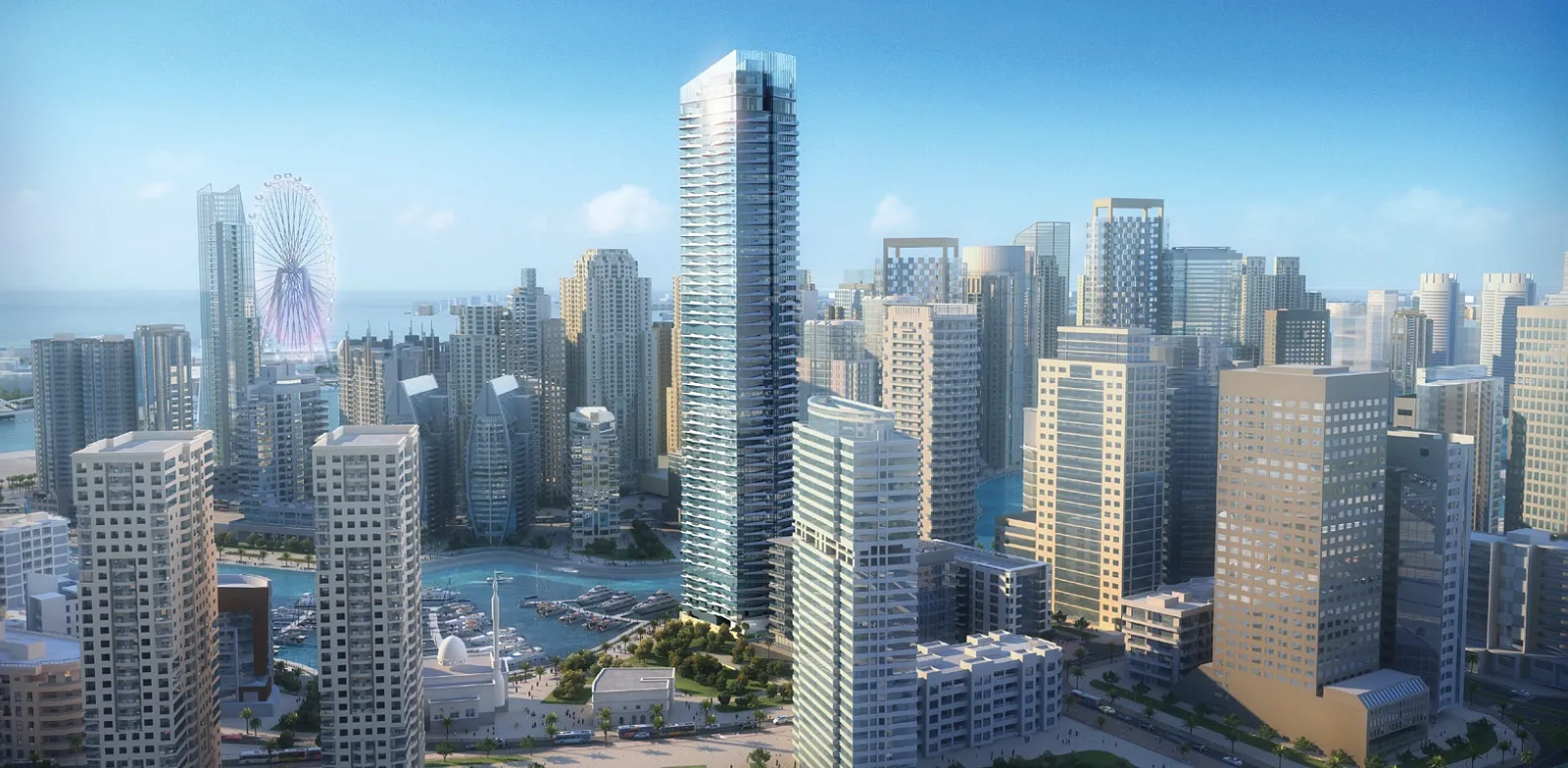
Dubai has established itself as one of the most dynamic and investor-friendly real estate markets in the world. With a tax-free income structure, high rental yields, modern infrastructure, and a transparent regulatory system, global investors increasingly explore how to invest in Dubai real estate as a long-term wealth-building strategy.
The city offers a rare combination of capital appreciation potential and stable rental returns, supported by strong governance from institutions like the Dubai Land Department and the Real Estate Regulatory Agency. Whether you are a first-time buyer or an international investor, understanding the structured investment process is essential for making informed decisions.
This guide explains the full Dubai property investment process, from market understanding to ownership transfer, using a clear and future-focused approach.
Understanding the Dubai Real Estate Market
The Dubai Property Market is driven by global demand, population growth, tourism, and continuous infrastructure expansion. Unlike many global cities, Dubai offers both luxury and affordable housing segments, making it accessible to a wide range of investors.
Key investment drivers include:
- Strong rental demand from expatriates
- Strategic global location between East and West
- Government-backed investor protection laws
- Freehold ownership zones for foreigners
- High demand in Dubai Investment Communities such as Dubai Marina, Downtown Dubai, Business Bay, and Dubai Hills Estate
One of the biggest attractions is rental yield, which is significantly higher compared to many global cities. Investors often evaluate properties based on both rental income and long-term capital appreciation.
Types of Property Investments in Dubai
Understanding property categories is essential when learning how to invest in Dubai real estate effectively.
1. Freehold Property
Freehold properties offer full ownership rights, including the land and the property itself. Foreign investors can purchase in designated freehold zones with complete control over resale and leasing.
2. Off-Plan Property
Off-plan properties are purchased before or during construction. These are usually offered with flexible payment plans and strong capital appreciation potential.
3. Ready Property
Ready properties are completed units that can be rented or occupied immediately. They are ideal for investors seeking instant rental income.
4. Residential Property
Includes apartments, villas, townhouses, and penthouses designed for living or leasing to tenants.
5. Commercial Property
Includes offices, retail spaces, and warehouses, typically offering long-term lease agreements and stable income.
Each category serves different investor goals, whether income-focused, growth-focused, or hybrid strategies.
Legal Framework and Ownership Structure
Dubai offers one of the most transparent real estate systems in the region, regulated by key authorities such as:
- Dubai Land Department (DLD)
- Real Estate Regulatory Agency (RERA)
The Dubai Land Department is responsible for registering properties, issuing title deeds, and maintaining transaction transparency. Meanwhile, RERA ensures regulatory compliance among developers, brokers, and real estate projects.
Foreign Ownership Rules
Foreign investors can legally purchase property in designated freehold areas. Ownership rights include:
- Full property ownership
- Right to sell or lease
- Inheritance rights
- Legal protection under UAE law
The Title Deed issued by DLD serves as official proof of ownership.
Step-by-Step Dubai Property Investment Process
Understanding the step by step property investment Dubai process is critical for smooth execution.
Step 1: Define Investment Objective
Identify whether your goal is rental income, capital appreciation, or portfolio diversification.
Step 2: Choose Location
Select high-performing Dubai Investment Communities based on demand, connectivity, and future development.
Step 3: Select Property Type
Decide between off-plan, ready, residential, or commercial properties depending on your strategy.
Step 4: Verify Developer and Property
Conduct due diligence on developer reputation, project approvals, and past delivery records.
Step 5: Sign Memorandum of Understanding (MOU)
This legal document outlines the agreed price, terms, and deposit.
Step 6: Sales and Purchase Agreement (SPA)
A formal contract between buyer and seller confirming full transaction details.
Step 7: Payment Process
Payments may be structured via:
- Cash purchase
- Mortgage financing
- Developer payment plans
Step 8: No-Objection Certificate (NOC)
Issued by the developer confirming all dues are cleared.
Step 9: Property Registration
The property is registered with the Dubai Land Department, and ownership is transferred.
Step 10: Receive Title Deed
The final step confirming legal ownership of the property.
This structured process ensures transparency and investor protection at every stage.
Financing Options for Investors
Investors exploring how to invest in Dubai real estate can choose from multiple financing methods:
Mortgage Financing
The Dubai Property Mortgage system allows residents and eligible non-residents to finance property purchases through banks. Loan eligibility depends on income, credit history, and property value.
Cash Purchase
Cash buyers benefit from faster transactions, stronger negotiation power, and no interest costs.
Developer Payment Plans
Off-plan projects often offer flexible installment plans, allowing investors to pay during construction and after handover.
Each option is designed to support different investor profiles and financial strategies.
ROI, Rental Yield, and Capital Growth
Dubai is globally recognized for its strong investment returns.
Rental Yield
Rental yield measures annual rental income against property value. Dubai often delivers higher yields compared to major global cities.
Capital Appreciation
Property values increase due to infrastructure development, population growth, and rising demand.
Return on Investment (ROI)
ROI combines rental income and capital appreciation to measure total profitability.
Property Management
Professional property management ensures:
- Tenant sourcing
- Rent collection
- Maintenance handling
- Vacancy reduction
Together, these factors make Dubai a strong passive income destination.
Risks and Due Diligence
While Dubai is investor-friendly, proper evaluation is essential.
Key risks include:
- Market fluctuations
- Developer delays
- Oversupply in certain areas
- Vacancy periods
- Financing risks
Conducting Property Due Diligence helps reduce these risks by verifying:
- Legal documentation
- Developer credibility
- Project registration
- Service charges
- Market demand
A disciplined approach ensures safer and more predictable returns.
Exit Strategy for Investors
A strong investment plan always includes an exit strategy.
Common exit methods:
- Selling at market peak value
- Holding for long-term rental income
- Refinancing property
- Portfolio restructuring
Timing the market and choosing the right location significantly impacts resale value and profitability.
Future of Dubai Real Estate Investment
The future of Dubai’s property market is shaped by smart city development, AI-driven infrastructure, sustainable communities, and global investor inflows.
Emerging trends include:
- Smart homes and AI-integrated communities
- Sustainable and green buildings
- Expansion of metro-linked developments
- Luxury branded residences
- Increased demand for waterfront living
These advancements continue to strengthen Dubai’s position as a global investment hub.
Conclusion
Understanding how to invest in Dubai real estate requires a clear grasp of market dynamics, legal structure, financing options, and strategic planning. With strong regulatory support from the Dubai Land Department, high rental yields, and global demand, Dubai remains one of the most attractive real estate investment destinations.
Whether you are a first-time buyer or an experienced investor, following a structured approach ensures long-term stability, profitability, and growth.