
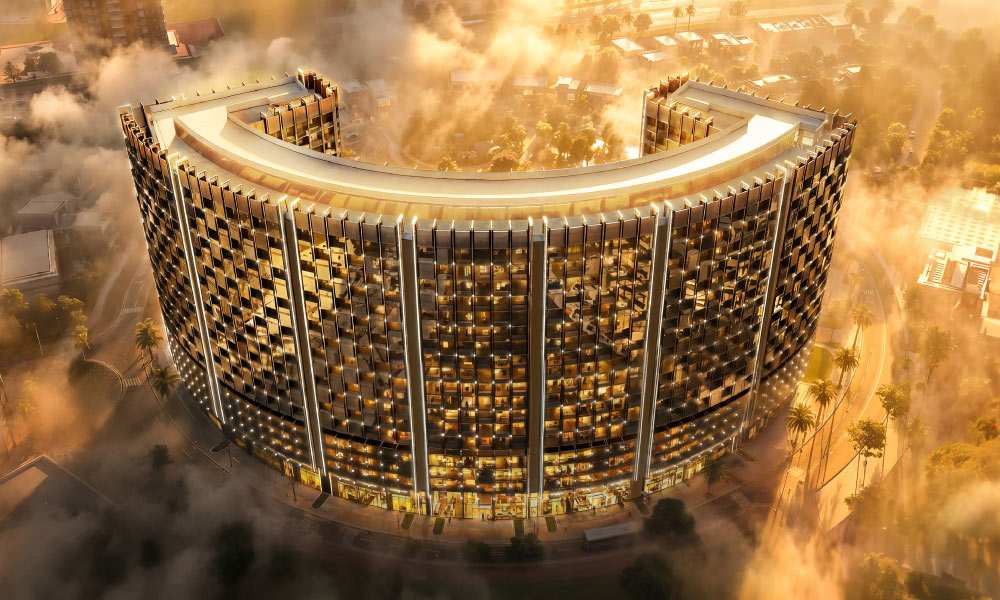
Dubai’s property sector is entering another defining phase as developers prepare communities, residential towers and mixed-use destinations for the next stage of urban growth. New Property Launches Dubai 2027 are attracting international investors, future residents and portfolio buyers seeking modern properties before completion. These developments are not simply adding homes to the skyline. They are responding to changing expectations around connectivity, sustainability, digital living, wellness and community design.
The strongest opportunities will not be identified by attractive brochures alone. Buyers must examine the developer, location, legal registration, construction programme, payment structure and long-term demand behind each project. This guide explains how to assess Upcoming property projects in Dubai, compare emerging communities and make informed decisions when considering properties scheduled to launch or reach completion around 2027.
Why New Property Launches Dubai 2027 Matter
The year 2027 represents an important delivery window for projects planned during Dubai’s current expansion cycle. Many developments are being designed around integrated neighbourhoods, public transport, green spaces, walkability and convenient local services. These priorities reflect the Dubai 2040 Urban Master Plan, which aims to create integrated service centres, expand educational and healthcare space and place 55% of residents within 800 metres of a main public transport station.
New off-plan projects Dubai buyers are exploring may also provide newly designed layouts, smart-home systems and phased payment schedules. However, the expected handover date should be treated as one part of the assessment rather than the only deciding factor.
The Future of Residential Development in Dubai
The Latest real estate launches in Dubai show a shift from isolated buildings towards complete lifestyle ecosystems. Future-focused projects increasingly combine residences with co-working areas, wellness facilities, landscaped spaces, retail, dining and mobility solutions.
Smart and Connected Homes
Smart-home technology is becoming an important feature of modern development. It may include digital access, automated lighting, climate management, mobile security, energy monitoring and connected building services. Buyers should ask who maintains these systems, whether subscriptions apply and how easily components can be upgraded.
Sustainable Community Planning
Sustainability is moving from a marketing theme to a practical design priority. The Dubai 2040 Urban Master Plan calls for larger green and recreational spaces, connected green corridors and sustainable mobility options.
For Dubai property developments launching in 2027, meaningful sustainability attributes may include efficient cooling, water-saving systems, shaded walking routes, electric-vehicle charging, responsible landscaping and public transport access. Buyers should look beyond labels and request clear details about what the building and community include.
Mixed-Use Neighbourhoods
Integrated districts can support convenience by combining homes, offices, retail, recreation and essential services, helping residents reduce unnecessary journeys while creating a broader and more stable tenant base.
Property Types Expected to Shape 2027
Contemporary Apartments
Apartments will remain a major part of New residential projects in Dubai. Future launches may include studios, one-bedroom homes, family apartments, duplexes and penthouses. Buyers should compare usable internal space, balcony size, storage, natural light, privacy, lift access and parking rather than relying only on bedroom count.
Villas and Townhouses
Villas and townhouses suit families seeking private outdoor space, larger layouts and community facilities. Important attributes include plot size, built-up area, unit position, garden usability, parking, community density and access to parks or schools.
Waterfront and Branded Residences
Waterfront properties and branded residences can offer distinctive locations, premium services and international visibility. Yet a brand name should not replace due diligence. Buyers must review service charges, management arrangements, rental restrictions and the practical difference between branded and conventional ownership.
Locations to Watch
Location quality should be assessed through both current infrastructure and future development plans. Established areas may offer proven demand, while emerging districts may provide growth potential but require a longer investment horizon.
Dubai Islands and other coastal destinations suit buyers interested in waterfront living and hospitality-led communities. Dubai South and Expo City may appeal to those focused on aviation, logistics, business expansion and future infrastructure. Dubai Creek Harbour, Meydan and Mohammed Bin Rashid City remain associated with large-scale master planning and access to central Dubai.
The right location depends on the objective. An investor may prioritise tenant demand and service costs. A family may focus on schools, healthcare, green areas and commuting. A long-term buyer may examine infrastructure investment, future supply and community maturity.
How to Verify a New Dubai Property Launch
Verification is essential before reserving an off-plan unit. Dubai Land Department provides Project Status Enquiry through Dubai REST, allowing users to review project details and completion information. Records can include the developer, project status, completion percentage, inspection date, freehold status and escrow account information.
Before proceeding, buyers should confirm:
- The project and developer are registered with the relevant authorities.
- An approved project escrow account exists.
- The unit, payment schedule and handover date appear in the Sale and Purchase Agreement.
- The off-plan sale will be recorded through the appropriate provisional registration process.
- Marketing information matches official project documents.
Dubai Land Department states that developers selling off-plan units and receiving buyer payments are subject to the escrow framework. It also provides a service for registering off-plan units in the provisional register.
Evaluating the Developer
A developer’s record can influence construction quality, delivery reliability and after-sales experience. Buyers should review completed developments rather than assessing concept images alone.
Useful attributes include delivered projects, relevant property experience, progress on active sites, customer communication, defect resolution and community-management standards. Buyers should also examine whether previous projects maintained demand after handover.
Understanding Payment Plans and Ownership Costs
Payment plans are a major attraction of New Property Launches Dubai 2027. Common structures may include a booking payment, construction instalments, a handover payment and sometimes post-handover instalments.
The most attractive-looking plan is not always the best. Buyers should calculate the total commitment and understand deadlines, default clauses, assignment restrictions and mortgage options. They should also budget for registration, service charges, furnishing, maintenance and property management where applicable.
A lower initial payment can improve accessibility, but the buyer must remain able to meet later instalments. The plan should support a clear strategy rather than encourage an unaffordable purchase.
Investment Potential and Risks
Potential performance is influenced by purchase value, unit type, community supply, tenant profile, developer reputation and the market environment at handover. Buyers should compare similar completed properties and estimate realistic operating costs.
Key opportunities include:
- Early-stage inventory and wider unit selection.
- Potential value growth as construction advances.
- Modern layouts aligned with future tenant preferences.
- Entry into communities supported by new infrastructure.
- Payments spread across the development period.
Risks include construction delays, revised handover dates, oversupply, high service charges, resale limitations and changes in rental demand. Capital appreciation and rental yield are potential outcomes, not guaranteed returns.
Investor Versus End-User Priorities
Investors may focus on rental demand, price per square foot, liquidity, service charges and exit timing. End users may prioritise layout, privacy, school access, noise, transport and community facilities.
The most resilient Upcoming property projects in Dubai may appeal to both groups. Practical homes, a credible developer, useful amenities and strong connectivity can attract residents while supporting wider resale demand.
A Practical Selection Framework
Before choosing among New off-plan projects Dubai, use five filters:
- Verification: Confirm project registration, escrow arrangements and official status.
- Developer: Examine delivery history, quality and customer support.
- Location: Review current access, planned infrastructure and nearby services.
- Product: Compare layouts, views, amenities and expected service costs.
- Strategy: Decide whether the purchase is for living, rental income, resale or long-term ownership.
This framework prevents decisions from being driven by launch-day urgency.
Conclusion
New Property Launches Dubai 2027 offer access to the next generation of homes, communities and investment opportunities. The strongest developments will combine credible delivery, verified legal structures, intelligent design, sustainable planning and connections to Dubai’s evolving urban network.
Buyers researching Dubai property developments launching in 2027 should move beyond promotional claims and assess every project through official verification, developer performance, location fundamentals, product quality and long-term usability. With disciplined due diligence and a clear strategy, the next wave of New residential projects in Dubai can support modern living and considered property investment