
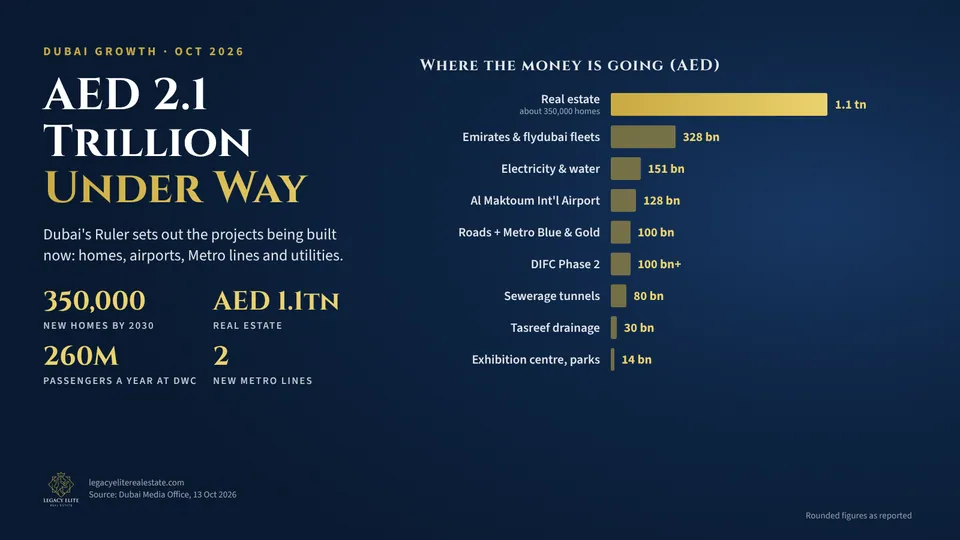
On 13 October 2026, His Highness Sheikh Mohammed bin Rashid Al Maktoum, Vice President and Prime Minister of the UAE and Ruler of Dubai, said Dubai has about AED 2.1 trillion (around US$572 billion) of active projects under way, with more to be announced. The largest share is real estate: about AED 1.1 trillion for roughly 350,000 new homes through to 2030. The rest goes to a second airport, two new Metro lines, airline fleets, power, water and drainage.
Below we set out what was announced, how the money is split, and what it means if you're thinking of buying property in Dubai.
What was announced
Sheikh Mohammed gave the figures at the Mohammed bin Rashid Leadership Forum at Dubai World Trade Centre, attended by about 1,000 government and private-sector leaders. He described Dubai as "building a city within a city" and said further projects would be announced in the next phase. The figures come from the Dubai Media Office and were reported by Reuters, The National, Khaleej Times and Gulf News.
"This is a remarkable period for growth and development; the ideal time to invest in Dubai and its infrastructure."
His Highness Sheikh Mohammed bin Rashid Al Maktoum, Ruler of Dubai, 13 October 2026
Note that this is a list of projects already being delivered, run by the government, government-related companies and private developers. It is not a single new budget. Most of the individual projects had already been announced. What's new is seeing them added up in one place.
Where the AED 2.1 trillion is going
This is the breakdown as reported. Outlets list slightly different items (some leave out the airline fleets), so treat the total as approximate:
| Project area | Investment (AED) | What it covers |
|---|---|---|
| Real estate | 1.1 trillion | About 350,000 residential units through to 2030 |
| Emirates and flydubai fleets | 328 billion | New aircraft for Dubai's two airlines |
| Electricity and water | 151 billion | New power and water network infrastructure |
| Al Maktoum International Airport | 128 billion | Expansion to handle up to 260 million passengers a year |
| Roads and Dubai Metro | 100 billion | Road upgrades plus the Metro Blue and Gold lines |
| DIFC Phase 2 | More than 100 billion | Expansion of Dubai International Financial Centre |
| Dubai Strategic Sewerage Tunnels | 80 billion | Deep sewage tunnel network |
| Tasreef | 30 billion | Rainwater drainage |
| Dubai Exhibition Centre | 10 billion | Expansion of the Expo City exhibition venue |
| Blue and Green Spaces Roadmap | 4 billion | Parks, beaches and green spaces |
350,000 new homes by 2030
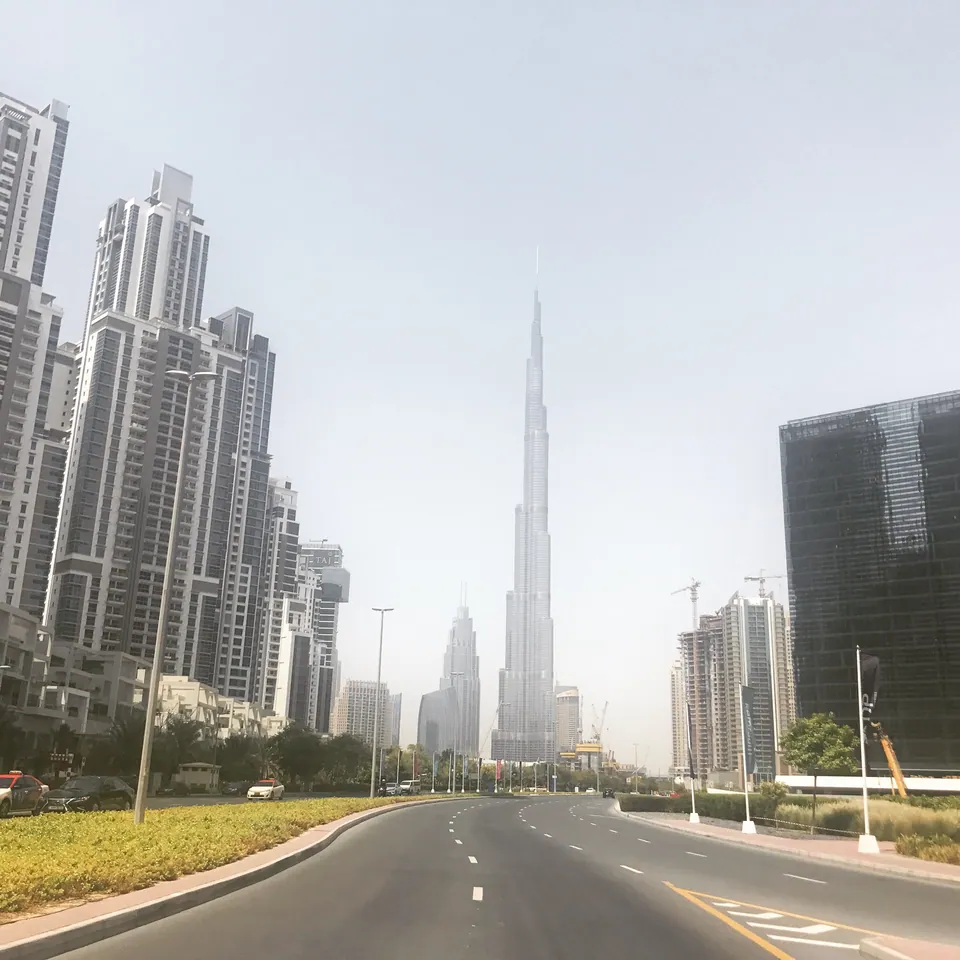
For property buyers, the headline is the housing number. About 350,000 homes are planned as part of AED 1.1 trillion of real estate investment through to 2030.
Why so many? Because the city keeps growing. Dubai's population reached 4,807,185 on 29 September 2026, an increase of 226,885 since the start of the year, according to the Dubai Data and Statistics Establishment. That is despite the regional conflict earlier this year (see our article on how the market came through it).
Supply works both ways for investors, though. More homes give buyers more choice and keep prices in check, and Savills already counts more than 525,000 residential units scheduled for delivery between 2027 and 2030 (a different measure from the government's 350,000, which counts units in the active project pipeline). As we noted in our Q3 2026 market update, asking rents are already easing in communities with many handovers. With a pipeline this large, choosing the right area and building matters even more.
Infrastructure that shapes where people live
Homes are only part of the story. The infrastructure projects tell you where the city is heading:
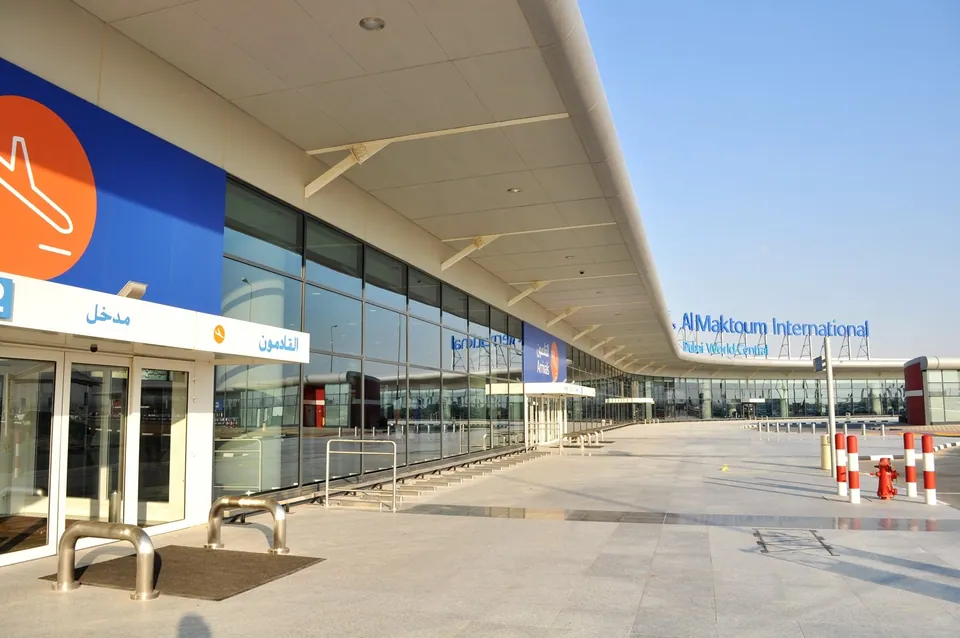
- Al Maktoum International Airport (AED 128 billion). The new passenger terminal in Dubai South is designed for up to 260 million passengers a year, which would make it one of the largest airports in the world. Over time, Dubai's airport operations are due to move there from DXB, bringing jobs and housing demand to the south of the city.
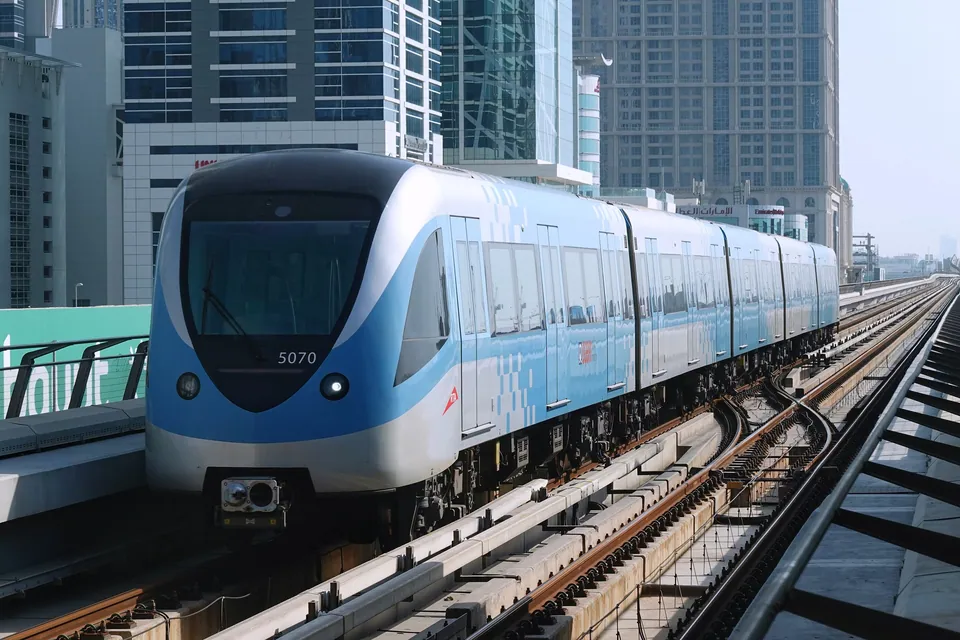
- Dubai Metro Blue Line. A 30km, 14-station line linking the Red and Green lines, due to open on 9 September 2029. It will serve areas including Mirdif, Dubai Creek Harbour, Dubai Silicon Oasis and International City. The RTA finished the first phase of tunnelling in July 2026.
- Dubai Metro Gold Line. Approved in April 2026, a 42km, fully underground line with 18 stations, running from Al Ghubaiba through Business Bay and Meydan towards Al Barsha South, Jumeirah Village Triangle, Dubai Production City and Jumeirah Golf Estates. It is due to open on 9 September 2032.
- DIFC Phase 2 (more than AED 100 billion). A major expansion of the financial district, which supports demand for homes from finance professionals around Downtown, Business Bay and Za'abeel.
- Power, water and drainage (about AED 260 billion combined). Less exciting, but it's what lets new communities connect and grow, and Tasreef in particular is designed to handle heavy rain better.
What it means for property investors
Here is how we read the announcement for clients:
- A clear long-term signal. Projects on this scale take years and need confidence about the city's future. Seeing them set out together, after a quieter 2026 for sales, tells investors that Dubai's long-term plans have not changed.
- Follow the transport. New Metro stations and a new airport tend to make the communities around them easier to live in and easier to let. Areas on the future Gold Line, such as Jumeirah Village Triangle and the communities near Al Barsha South and Dubai Production City, and the districts around Dubai South, are worth watching. Our projects in Jumeirah Village Circle and Dubai Sports City are in this part of the city.
- Supply is part of the picture. 350,000 homes means competition. Look closely at handover dates in the area you're buying in, and base rental numbers on current rents for the specific building.
- Timelines can move. The Blue Line is due in 2029 and the Gold Line in 2032; the full airport move will take longer. Buy a property that makes sense today, and treat future infrastructure as an upside, not the whole investment case.
Thinking about where these projects fit with your plans? Browse all our properties, read our Why Dubai guide to the city's megaprojects, or speak to our team for an honest view.
Dubai's AED 2.1 trillion pipeline: quick answers
Who announced the AED 2.1 trillion figure?
His Highness Sheikh Mohammed bin Rashid Al Maktoum, Ruler of Dubai, at the Mohammed bin Rashid Leadership Forum on 13 October 2026.
How many new homes are planned in Dubai?
About 350,000 residential units through to 2030, as part of AED 1.1 trillion of real estate investment.
Is this new government spending?
Not exactly. It is the combined value of projects already under way across government, government-related companies and private developers, many of which had been announced before.
When do the new Metro lines open?
The Blue Line is scheduled to open on 9 September 2029 and the Gold Line on 9 September 2032, according to the RTA.
Sources
- The National: Sheikh Mohammed bin Rashid announces Dh2.1 trillion of projects under way in Dubai, 13 October 2026
- Khaleej Times: 'City within a city': Dubai Ruler says nearly Dh2.1 trillion in active projects underway, October 2026
- Gulf News: Dh2.1 trillion in projects under way, Mohammed bin Rashid says Dubai is entering a new era of growth, October 2026
- Reuters via TradingView: Dubai has $572bln worth of active projects underway, 13 October 2026
- Arabian Business: Dubai reveals $572bn project pipeline including 350,000 homes, new Metro lines and airport expansion, October 2026
- The National: First phase of tunnelling complete on Dubai Metro Blue Line, 9 July 2026
- Gulf Business: Dubai reveals Gold Line Metro stations and route details, 2026
- Savills: Dubai Residential Market Report Q3 2026, 12 October 2026
- Dubai Data and Statistics Establishment: population figures
Chart: Legacy Elite Real Estate, using figures as reported, rounded. This article is for general information only and is not financial or investment advice. Project figures and timelines are from the sources listed and may change.